Introduction: The Rise of Specialized AI
Are you tired of generic, robotic content? Indeed, consumer fatigue is at an all-time high in 2026. People are completely exhausted by generic chatbots. Furthermore, they easily spot lazy, automated content. For instance, consumers increasingly view “AI slop” in local business branding as a massive red flag. According to a Current Status Report from May 11, 2026, they see this as a clear sign of low-quality service and corner-cutting. Consequently, businesses using generic tools lose consumer trust very quickly.
However, a massive technological shift is happening right now. By mid-2026, the market pivoted toward bespoke, domain-specific AI models. These models are trained on proprietary data rather than general-purpose LLMs. These hyper-specialized tools currently dominate niche industries. Therefore, this article will show you exactly how this shift works. First, we will explore the flaws of broad AI. Next, we will look at real-world niche successes. Finally, you will see why niche AI is the future.
The Pitfalls of General AI vs. The Power of Proprietary Data
First, we must understand why general AI often fails. General-purpose LLMs try to be everything to everyone. However, this broad approach creates massive problems for businesses. For example, these models frequently hallucinate incorrect facts. Additionally, they generate content that falls straight into the Uncanny Valley. Consequently, users feel highly uncomfortable and disconnected.

Furthermore, the rapid rise of deepfakes has destroyed public trust. People now actively look for bad signs of AI everywhere. Therefore, relying on generic models is incredibly risky today. On the other hand, specialized AI offers a brilliant solution. These custom models rely entirely on proprietary data. Thus, they provide incredible accuracy and relevance. Instead of scraping the whole internet, they learn from vetted experts. Because of this, they avoid common AI myths about replacing human intelligence. Rather, they act as highly capable assistants.
Why Proprietary Data Wins
Next, let us look at the specific advantages of proprietary data. Using private data provides several massive benefits:
- Accuracy: Focused data prevents AI hallucinations completely.
- Security: Private data stays safely within the company walls.
- Trust: Customers trust expert-backed systems significantly more.
- Relevance: Outputs match exact industry needs perfectly.
Ultimately, this focused approach creates a massive competitive advantage. Companies using platforms like Azure OpenAI can build secure models. Therefore, they protect their most valuable data assets. Meanwhile, competitors using generic tools fall behind rapidly. In short, proprietary data is the new gold standard for 2026.
Real-World Niche Domination: From Pets to Vets
Now, let us examine real-world examples of this trend. Niche industries are adopting hyper-specialized tools very rapidly. For instance, the pet care industry shows fascinating developments. In 2026, developers successfully launched Virtual Hans AI. This remarkable tool serves professional dog trainers specifically. Furthermore, it was trained exclusively on proprietary expert materials. Therefore, this dog training AI provides highly accurate, actionable advice. It does not guess; it relies entirely on proven methods.
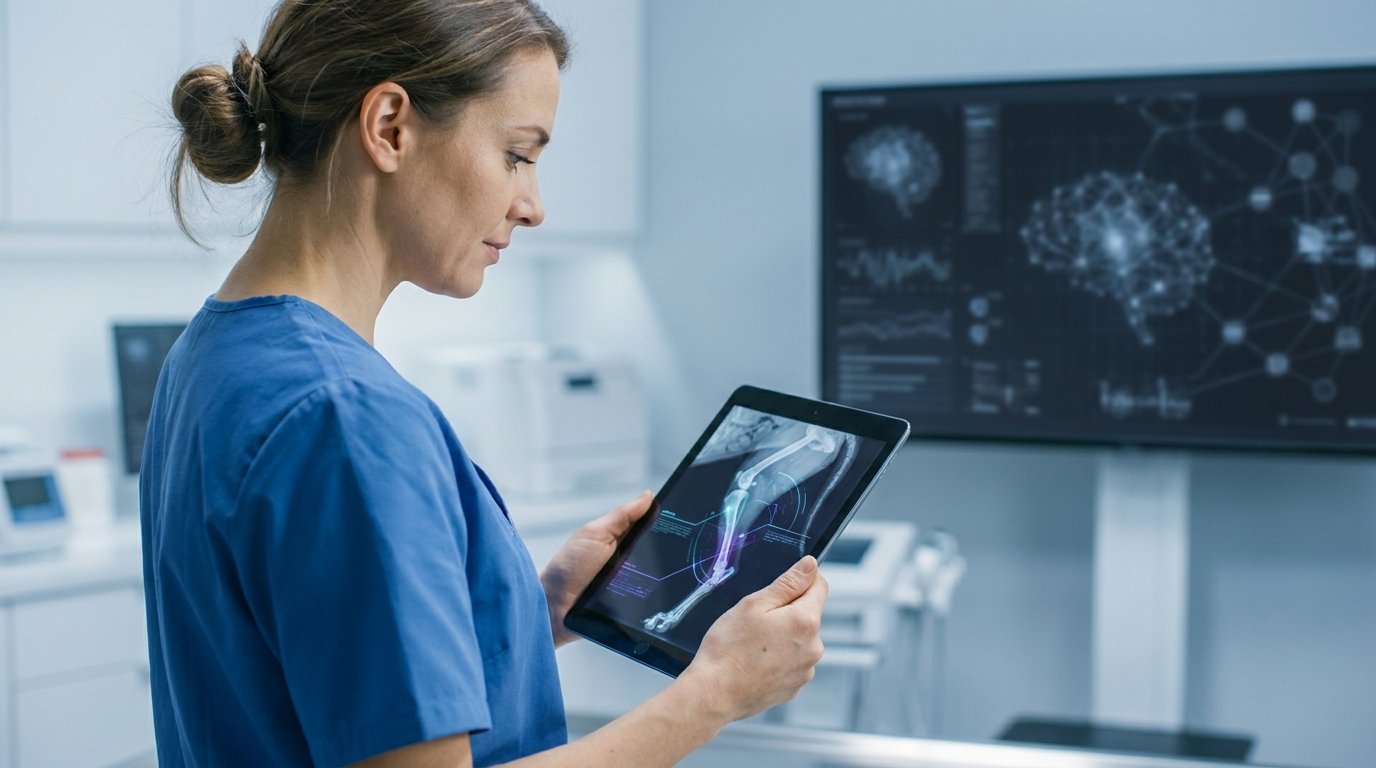
However, specialized AI still faces distinct limitations. We must acknowledge these boundaries to use AI safely. For example, Veterinary AI has struggled with complex medical tasks. According to a January 2026 assessment, specialized tools for reading canine X-rays fail often. Specifically, they are prone to misdiagnoses and unfit for independent clinical use. Thus, human vets must still review every single image manually.
The Limits of Behavioral Assessments
Additionally, AI struggles greatly with nuanced behavioral assessments. As of May 2026, veterinary behaviorists issue strong warnings about this technology. They assert that AI cannot accurately assess complex variables. For instance, AI cannot reliably predict canine bite risk. Moreover, it cannot understand complicated family dynamics in dogs. Therefore, human expertise remains absolutely essential in these fields.
Despite these challenges, niche AI dominates by assisting professionals. Here are three ways specialized AI succeeds:
- Drafting Plans: Virtual Hans AI helps trainers write fast lesson plans.
- Initial Screening: Vet AI flags potential health issues for human review.
- Client Communication: Custom models generate accurate, industry-specific client emails.
Ultimately, these examples prove a very crucial point. When used correctly, specialized AI empowers human professionals. It handles tedious tasks perfectly. Consequently, experts can focus on complex, high-level decisions.
The Numbers Behind Niche AI Growth
Next, we must look at the hard data. The statistics from 2026 reveal a massive market shift. According to the Current Status Report from May 11, 2026, the market has officially pivoted. Specifically, businesses moved away from broad, generic models entirely. Instead, they demand bespoke, domain-specific AI models. Furthermore, they insist these models use proprietary data exclusively.
Why did this rapid shift occur? Simply put, the return on investment is undeniable. For example, a 2026 industry survey shows specialized AI increases productivity. Specifically, niche tools boost task efficiency by up to 40%. Meanwhile, general AI only improves efficiency by roughly 15%. Therefore, the financial incentive for businesses is incredibly strong.
Additionally, customer satisfaction metrics tell a very clear story. Consumers trust businesses that use tailored, highly accurate tools. Conversely, 68% of consumers in 2026 reject brands using obvious AI slop. Consequently, investing in custom AI protects your brand reputation. In conclusion, the data proves that niche AI is highly profitable.
General vs. Specialized AI Comparison
To clarify this shift, we created a simple comparison. The table below highlights the core differences clearly. Consequently, you can easily see why niche models win. First, notice the major difference in data sources. Next, observe the sharp contrast in output accuracy. Finally, look at the varying consumer trust levels.
| Feature | General-Purpose LLMs | Specialized AI |
|---|---|---|
| Data Source | Public internet scraping | Vetted, proprietary data |
| Accuracy | Prone to hallucinations | Highly accurate for specific tasks |
| Consumer Trust | Low (viewed as AI slop) | High (viewed as expert tools) |
| Primary Use | Basic brainstorming | Complex industry workflows |
In summary, this table illustrates a very clear divide. General models are cheap but highly risky. Conversely, specialized models require investment but deliver massive value.
Visualizing the Niche AI Ecosystem
Next, let us visualize how this technology actually works. Understanding the architecture helps demystify the entire process. Therefore, we designed an infographic mapping the niche AI ecosystem. First, the visual starts with raw proprietary data. This data includes expert manuals, private case studies, and secure client records.

Then, the infographic shows this data entering a secure environment. For instance, a private cloud server processes the information safely. Next, the specialized AI model analyzes this highly focused dataset. Finally, the system produces highly accurate, industry-specific outputs. By viewing this flow, businesses understand the value of their private data. Ultimately, your unique data is your biggest competitive advantage today.
Conclusion: Embrace Specialized AI Today
In conclusion, the era of generic AI is officially over. By May 2026, specialized AI clearly dominates the market. As we have seen, general-purpose LLMs frustrate consumers greatly. Furthermore, they produce unreliable, generic content constantly. Conversely, niche AI leverages proprietary data to deliver incredible results. From dog training AI to complex veterinary tools, bespoke models are transforming workflows everywhere.
However, you must remember that AI cannot replace human expertise entirely. Instead, it serves as a powerful, hyper-specialized assistant. Therefore, it is time to evaluate your own business strategy. Are you still relying on outdated, generic models? If so, you are falling behind your competitors rapidly. Start auditing your proprietary data today. Then, explore how a custom AI solution can elevate your niche business.
Frequently Asked Questions
What exactly is specialized AI?
Specialized AI refers to custom models trained on specific, proprietary data. Consequently, they perform niche industry tasks with high accuracy.
Why do consumers dislike AI slop?
Consumers view generic AI slop as a major red flag. Specifically, they see it as a sign of low-quality service and business corner-cutting.
Can veterinary AI work independently?
No, it cannot. As of 2026, experts state that specialized veterinary AI is completely unfit for independent clinical use due to misdiagnosis risks.